Tag Archives: Hochschule

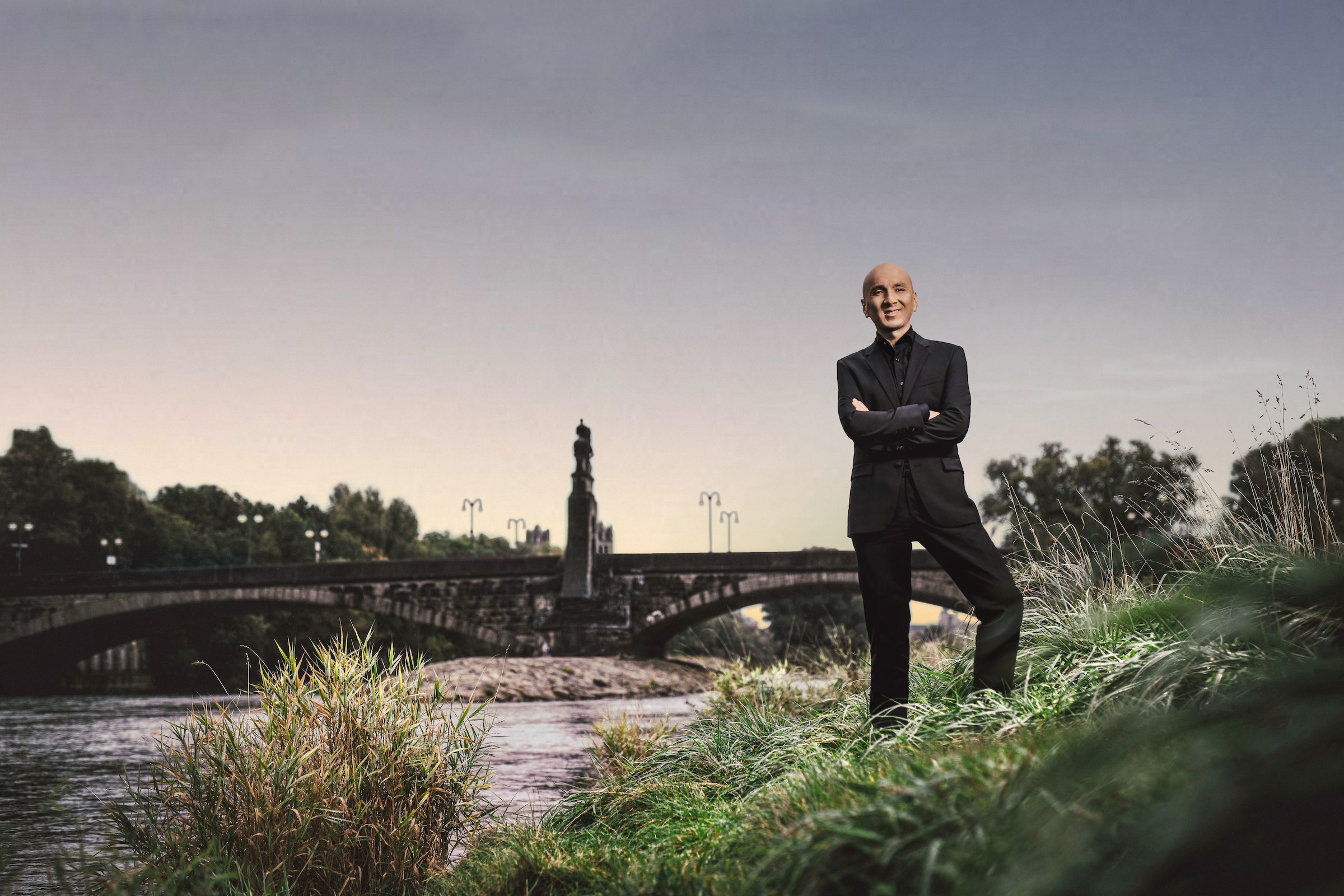
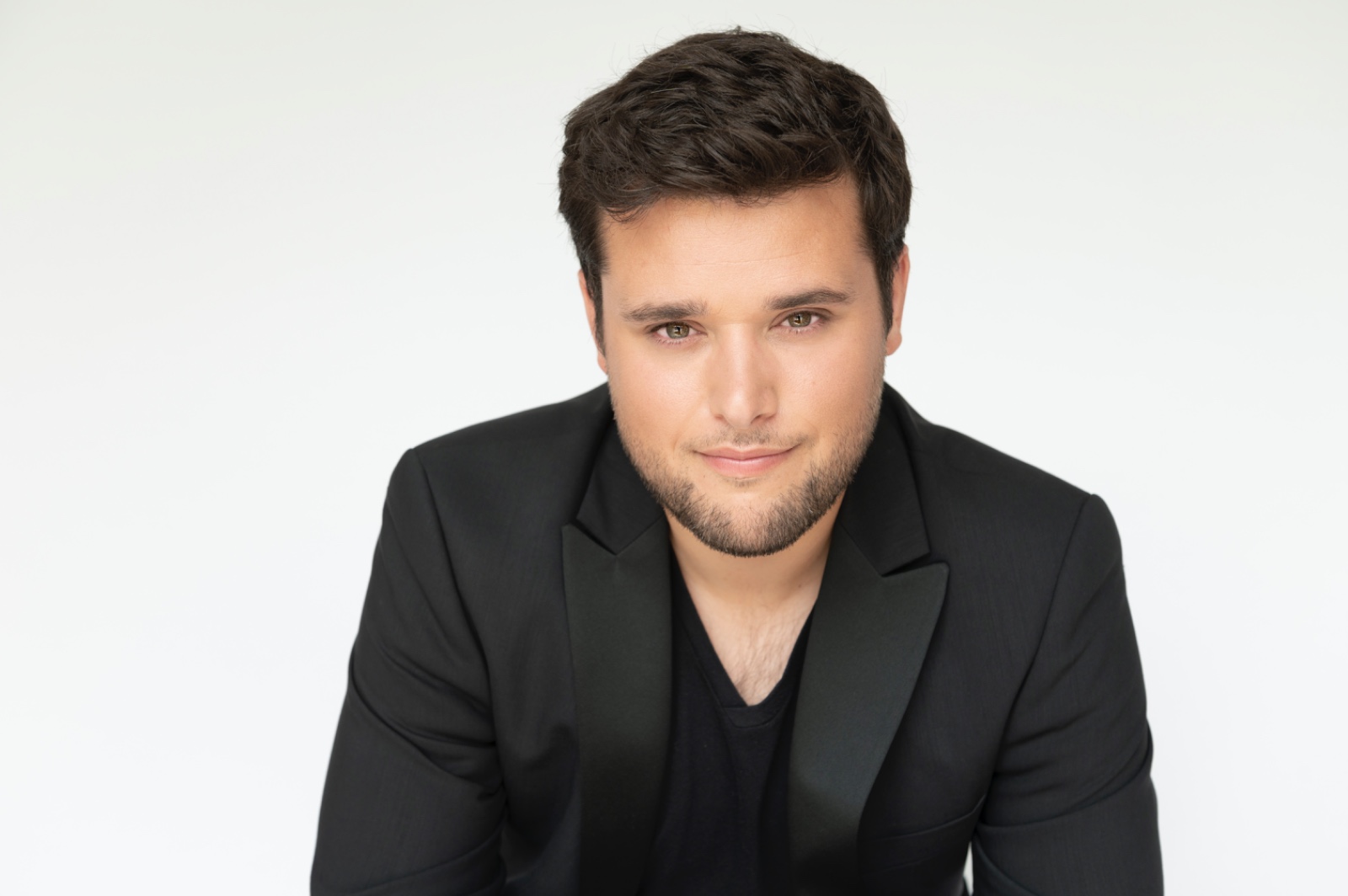
MARIMBA/PERCUSSION – Francisco Manuel Anguas Rodríguez (University of Music and Drama Rostock)

Teacher:

© Neda Navaee

Francisco Manuel Anguas Rodríguez was born in Seville, Spain in 1990. After com- pleting his bachelor’s degree at the Royal Conservatory of Music Victoria Eugenia in Granada, he began his master’s degree at the Rostock University of Music and Theater with Henrik M. Schmidt, Torsten Schönfeld, and Jan Frederick Behrend. In 2015 he studied at the Toho University in Tokyo at the invitation of the marimba legend Keiko Abe.

Already during his studies he performed in the Philharmonisches Orchester Vorpommern, serving as principal percussionist in 2016/2017 and principal timpanist in 2017/2018. He gained professional experience as an orchestral musician with the Staatskapelle Berlin and at the Komische Oper Berlin.

From 2015 to 2019 he worked at the Bayreuth Festival. His passion for historical performance practice brought him to international concert stages as principal timpanist with the Akademie für Alte Musik Berlin. As a chamber musician, he is always searching for new tonal colors and combinations.

At his concerts with the Ukrainian Piano Duo Chipak-Kushnir and Elbtonal Percussion, he captivates his audience with his natural approach and his musicality. He is the winner of numerous competitions, including the Ian Murray Competition and the 2008 Ciutat de Llíria Percussion Competition in Llíria, Spain.

Dates:

Arrival: Thursday, April 24, 2025, until 12 p.m.
Closing concert: Saturday, April 26, 2025, at 6 p.m.
Departure: Sunday, April 27, 2025, until 2 p.m.

Course Description:

The course is aimed primarily at pupils and students who want to focus on the marimba. In individual and group lessons, both technical and interpretative aspects are covered in detail.

A special recommendation for those who are aiming for a place at university (especially at the University of Music and Drama Rostock).

Accommodation:
© Falko Hönisch

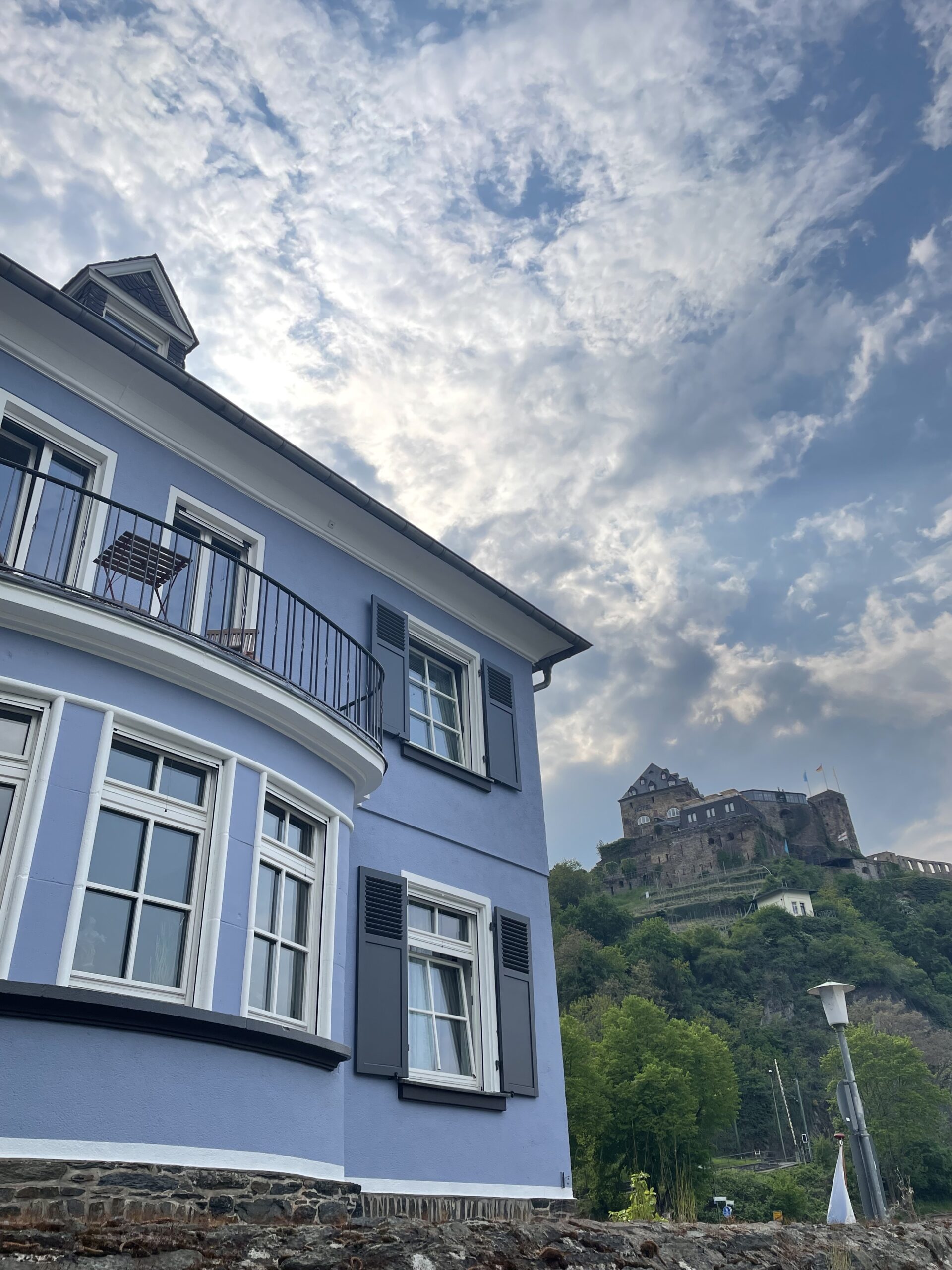
Students are hosted on a shared room basis in a beautiful villa on the bank of the Rhine river.

Meals:

A kitchen is available for cooking; groceries can be bought in a nearby supermarket. Group shopping is advised. A different team can do the cooking daily, which can be organize in situ.

Rooms:

Committed to the spirit of romanticism, all masterclasses offered by the Sankt Goar International Music Festival and Academy unite everything under one roof: living, learning, eating and sleeping. That is why participants will be hosted on a shared room basis.

Registration:

Audition information and registration:

In order to be accepted, you must meet one of the following criteria:

(a) be recommended by Mr Anguas Rodriguez, or
(b) submit an unedited video audition (YouTube link) for review.

In addition, you must complete and submit our application form and pay a €40,- application fee.

Registration deadline: March 23rd, 2025

Tuition:

Course fee (incl. accommodation and daily lessons):

€450,-
PIANO and CHAMBER MUSIC – Tomoko Ogasawara (University of Music Freiburg)/Matthias Ranft

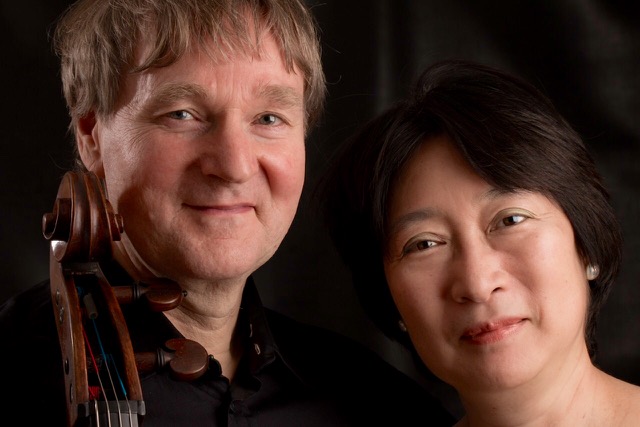
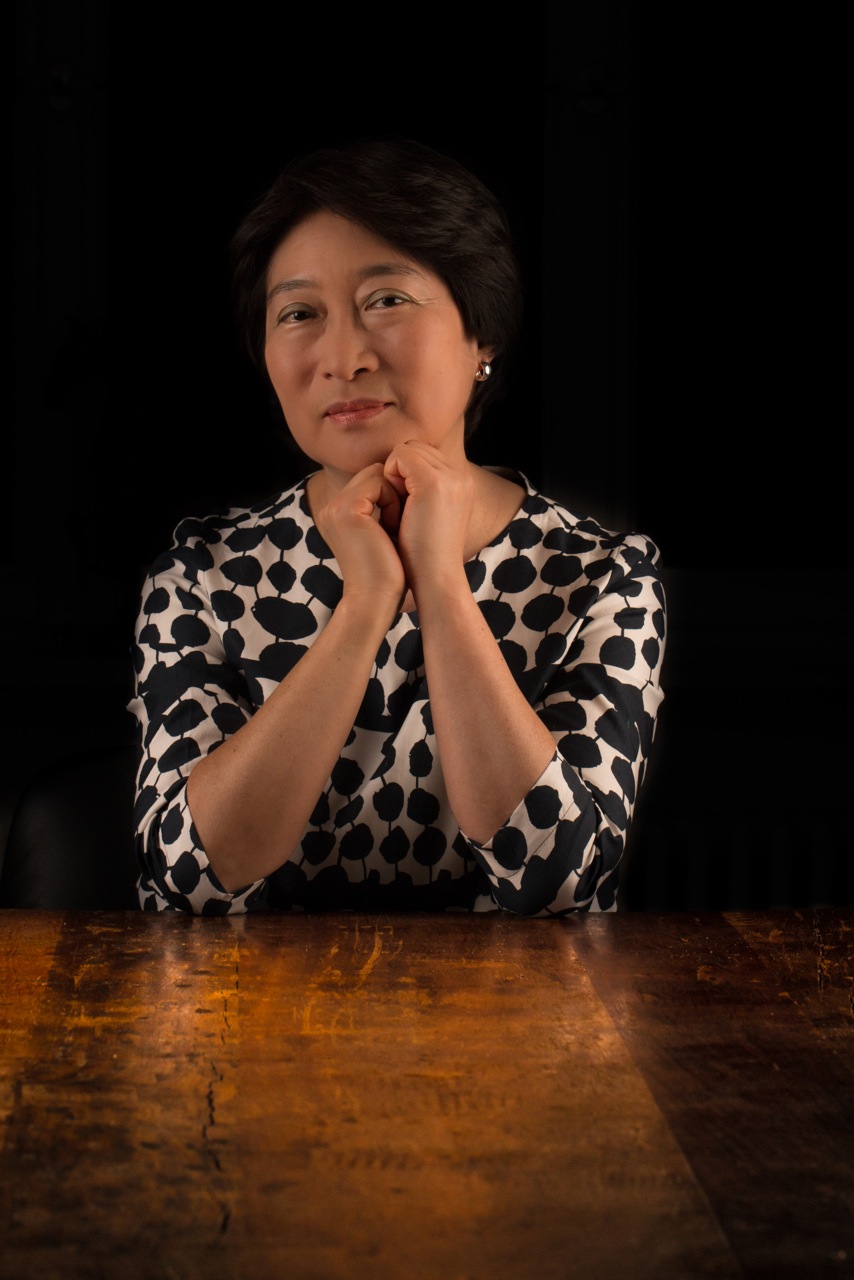
After studying at the State University of the Arts in Tokyo where she was born, the pianist Tomoko Ogasawara continued her studies in Germany at the University of the Arts in Berlin and the University of Music in Freiburg im Breisgau, where she received the solo diploma with honors and went on to win 1st Prize in the German Hochschulwettbewerb.

Among her teachers were Georg Sava, Tibor Hazay and Georgy Sebok who influenced her artistic development and led her to early success, for example as finalist in the international competitions “Maria Canals” / Barcelona and “ Clara Haskil” / Montreux.

Since then concert engagements have taken Tomoko Ogasawara to the concert halls of the international music world (such as Berlin, Montreux, London, Paris, Tokyo, Jerusalem, Bangkok, Shanghai). She has played concerts together with Albrecht Mayer, Jörg Widmann and Tabea Zimmermann and regularly plays with the principals and leading musicians of the Berlin Philharmonic Orchestra, the Bamberg Symphony Orchestra, the Bavarian Symphony Orchestra and the SWR Orchestra also in the context of chamber music formations, such as the piano trio “Franconia”, the ensemble “Abraxas” and at international festivals such as “Affinis” in Japan.

As soloist Tomoko Ogasawara has played, among others, with the Symphony Orchestra Berlin, Lausanne Chamber Orchestra, Bad Reichenhall Philharmonic Orchestra and the Chamber Philharmonic Orchestra Bamberg. She is featured in numerous radio broadcasts as well as CD recordings. In the season 2006/2007 Ogasawara performed the complete cycle of piano sonatas by W. A. Mozart.

Currently Tomoko Ogasawara passes on her musical experience through the teaching position she holds at the University of Music in Freiburg im Breisgau as well as regular master classes in Tokyo and Yokohama. Students of hers have won prizes in both national and international competitions.

The Hamburg born Matthias Ranft received his first cello at the age of seven and while still in high school he started studying at the Conservatory of Music Arthur Troester. His musical education lead him to Freiburg with Christoph Henkel and then later after winning scholarships from the DAAD and the Cultural Society of German Industry he went to study with Janos Starker in Bloomington, Indiana, USA. Before his graduating from the Conservatory in Freiburg he had already collected Orchestra experience between 1981 and 1983 as solo cello with the Hofer Symphony and won the 1984 Mendelsson Competition in Berlin.

Since 1985 Ranft has been the first cellist with the Bamberg Symphony/ Bayerish State Philharmonic. On the side he takes regular part in international festivals such as Affinis in Japan. He also concertizes as a chamber musician with the ensemble ABRAXAS, Trio FRANCONIA,  with Jörg Widmann, and with Frank Peter Zimmermann among others. He has also played as soloist under Gilbert Varga, Roger Norrington, Adam Fischer, Lawrence Renes and Jonathan Nott.
His musical accomplishments are shown through countless radio and CD recordings. He has shared his musical experience as a docent at the Freiburg Conservatory from 2001-2004 and at masterclasses throughout Japan. Matthias Ranft plays on a Giovanni Grancino cello from 1695. 

Dates:

Arrival: Saturday, August 10, 2024 from until 2 pm
Closing Concert: Wednesday, August 14, 2024 at 7 pm
Departure: Thursday, August 15, 2024 until 2 pm

Piano-works from all periods: from Baroque over Classic and Romantic to Modern Music; preparation for exams, concerts and competitions

Repertoire:

Piano solo or for four hands
Chamber Music for Piano and Violoncello          

Accommodation:

Students are hosted on a shared room basis in a beautiful villa on the bank of the Rhine river.

Meals:

A kitchen is available for cooking; groceries can be bought in a nearby supermarket. Group shopping is advised. A different team can do the cooking daily, which can be organize in situ.

Rooms:

Committed to the spirit of romanticism, all masterclasses offered by the Sankt Goar International Music Festival and Academy unite everything under one roof: living, learning, eating and sleeping. That is why participants will be hosted on a shared room basis.

For further impression, please visit our venue site.

Audition information and registration:

In order to be accepted, you must meet one of the following criteria:

(a) be recommended by Ms Ogasawara, or
(b) submit an unedited video audition (YouTube link) for review.

In addition, you must complete and submit our application form and pay a €40,- application fee.

Registration Deadline: August 5, 2024

Tuition:

Course fee (incl. accommodation): €550,-

ART SONG “Conteporary Music is not dissonant per se”- Prof. Hendrik Bräunlich (University of Music and Theatre “Felix Mendelssohn-Bartholdy” Leipzig)

Teacher:

Hendrik Bräunlich, was born in Leipzig. Prof. Bräunlich’s pianistic talent, as well as his general involvement in music have been nurtured since early childhood.

From 1986 to 1992 he studied at the Hochschule für Musik und Theater (Music Conservatory) “Felix Mendelssohn Bertholdy” in Leipzig with emphasis on vocal accompaniment, piano solo and instrumental accompaniment.  There, under the tutelage of Maestro Eugen Wangler, he developed a love for the singing voice, and a passion for accompanying it.

From 1992 to 1997 he studied song interpretation in the postgraduate program at the same conservatory with Lied professor and mentor Prof. Karl-Peter Kammerlander,  During this same period he was given the opportunity to work privately with Charles Spencer, with whom he studied most extensively, and Prof. Hartmut Höll – both great lied interpreters. In addition, he accompanied master classes of well-known singers such as Elisabeth Schwarzkopf, Dietrich Fischer-Dieskau, Peter Schreier, Thomas Hampson and Jakob Stämpfli.  Mr. Stämpli, impressed with his work, invited him to accompany a master class in Sion (Suisse) during the Tibor Varga Festival.

Prof. Bräunlich’s success at the Varga Festival as well as his association with other famous artists led to additional invitations to accompany international singing competitions  such as the Schumann in Zwickau and the Bach in Leipzig. Charles Spencer used his influence to introduce Mr. Bräunlich to world-renowned mezzo-soprano, Christa Ludwig, with whom he became associated for many years – accompanying her master classes in Gumpoldskirchen near Vienna, Wiener Musikverein, Villecroze in France and a national conference of German-speaking singing teachers in Halle/Saale,) to name a few.

Prof. Bräunlich’s accompanying skills were indeed also acknowledged by the fact that he himself became a prize-winner: in 1993 he won the Felix Mendelssohn-Bartholdy Prize in Berlin,  and in the same year, the accompanying prize at the International Singing Competition in Tauberbischofsheim. In 1994 he received an award at the International Brahms Singing Competition in Hamburg, and in the 1997 Deutscher Musikwettbewerb awarded him a scholarship. In 1998 he was prize-winner at the first International Hilde Zadek Singing Competition in Passau.

The attention generated by these German music competitions enabled Prof. Bräunlich to start a concert career.  It also resulted in repeated invitations to accompany the above-mentioned competitions and master classes.

Prof. Bräunlich has recorded for all major German broadcasters. He has also participated in various CD projects, including the first recording of Lieder by Georg Göhler.  Other CD recordings include “Hausmusik bei Schumanns” with the Calmus Vocal Ensemble Leipzig, and the award-winning CD of the clarinetist Nicola Jürgensen.

In 1992 Prof. Bräunlich was offered a permanent full-time teaching position at the Leipzig Conservatory; the association with this institution continues to this day.  The pedagogical commitment he has to his students, and his support of their individual development is obviously enriched by his personal history of performing and accompanying.

In 2005, under the auspices of the ERASMUS exchange program, he was invited – together with Leipzig Conservatory Voice Prof. Dr. Jeanette Favaro-Reuter – to participate in coaching Lieder of Felix Mendelssohn Bartholdy at the Royal College of Music in London. During this period he also tought during the  Leipzig Summer Courses of Puccini’s “Tosca” as well as master classes of clarinettist Allan Key and Prof. Dr. Favaro-Reuter.

Over the last years Prof. Bräunlich has offered classes, free of charge, at the Leipzig Conservatory with primary emphasis on Piano Lied literature of the 20th and 21st centuries. He has offered addition classes on topics such as “Robert Schumann´s Lieder” and “Claude Debussy´s Lieder and Chants”.

His involvement with 20th and 21st century Lied has led Prof. Bräunlich to an even greater concentration on contemporary music. In 2022, together with soprano Lisa Fornhammar, he developed a special New Music Program. The theme for the 2023/24 session is “New Music is not per se dissonant”.

Dates: 

Arrival: Thursday, July 20, 2023, until 2 pm
Closing concert: Sunday, July 23, 2023, 5 pm
Departure: Monday, July 24, 2023, after 2 pm

Course Description:

Dieser Kurs möchte nach Möglichkeit mit Duos arbeiten. Diese können wir auch gemeinsam zusammenstellen. Wobei es nicht darauf ankommt, ob jede teilnehmende Person nur mit einer anderen Person zusammenarbeitet. Es können gerade die Pianistinnen. zw. Pianisten auch mit mehreren Gesangspartnerinnen bzw. -partnern zusammen musizieren.

So habe ich es selbst bei Wettbewerben während der Runden mit einigen Teilnehmenden zu tun gehabt, was meine Qualität nicht minderte. Meine Idee ist folgende: Jeder teilnehmende  Person sucht sich eine bis zwei Liedgruppen aus und bereitet diese vor. Dann können wir während der Kurstage an den Liedern arbeiten und das Erarbeitete zum Schluss in einem Abschlusskonzert vorstellen.

Dies setzt voraus, dass jeder seine Stücke handwerklich gut parat hat, um damit arbeiten zu können. Die Programmfolge des Konzertes sollte dann auch der meiner Ankündigung entsprechen.

Repertoire: Neue Musik ist nicht per se dissonant

Ich habe ein Programm zusammengestellt, welches den tonalen Aspekt der Stücke in den Mittelpunkt rückt. Denn wir sind es gewohnt, nach atonalen Klängen meist eine Auflösung in Form einer Konsonanz zu erwarten. Und diese gibt es in erstaunlich vielen Liedern der Neuen Musik.

Das Programm beginnt mit drei Liedern aus den „Walzergesängen, Op. 6“ von Alexander von Zemlinsky. Diese sind, wie er selbst äußerte, nicht modern, sondern im Spätromantischen verwurzelt.

Nr. 1 Liebe Schwalbe
Nr. 5 Blaues Sternlein
Nr. 6 Briefchen schrieb ich

Danach zwei Brettl-Lieder des Entdeckers der Dodekaphonie, Arnold Schönberg. Diese insgesamt acht Lieder (zwischen April und September 1901 komponiert) gehen auf sein Engagement als Leiter de Berliner Cabaretts Überbrettl zurück.

Zwei davon habe ich ausgewählt: Gigerlette und Arie aus dem Spiegel von Arkadien

Darauf folgen die vielleicht berühmtesten Schüler, nämlich Anton von  Webern und Alban Berg. Zuerst Webern. Er kommt, wie auch sein Lehrer und sein Mitschüler Berg, aus der Tradition der Wiener Spätromantik. Nur in wenigen  Klängen meint man das Kommende zu hören, eher zu ahnen, die musikalische Struktur steht noch ganz im Zeichen der Tradition: VorfrühlingBlumengrussFromm und Heiter

Dann Alban Berg, dem Romantiker der Zweiten Wiener Schule. Von ihm habe ich die quasi nicht explizit „Neuen Lieder“ ausgewählt, nämlich aus den “Sieben frühen Liedern: Die Nachtigall  und Im Zimmer.

Der „zweiten Wiener Schule“ folgt ein anderer österreichischer Komponist, Gottfried von Einem. Von ihm habe ich ein Lied gewählt aus seinen „Zwölf Tag- und Nachtliedern“. Das Stück „Eine Treppe abwärts steigend“ zeigt seine Individualität gut und vermittelt trotzdem nicht das Quere der Neuen Musik.

Nach dem ersten Teil mit ausschließlich deutschsprachigen Tonsetzern gibt es einen zweiten Teil mit amerikanischen Komponisten. Diese haben sich , vor allem nach dem zweiten Weltkrieg, eine guten Ruf gemacht im ansonsten eher prüden Amerika: Zuerst ein Komponist mit sizilianischen Wurzeln, Dominick Argento. Er fühte sich zeitlebens zur Musik George Gershwins und zur amerikanischen Vokalmusik hingezogen. Von ihm habe ich aus seinem Zyklus “Six Elizabethan Songs” folgende ausgesucht: Diaphenia und Hymn

Ihm folgt ein eher sich der leichteren Klassik verpflichtender Musiker, Marc Blitzstein. Er komponierte häufig für den Film und so habe ich gedacht, diese besondere Farbe mit ins Programm zu nehmen. Der Song „I wish it so“ steht ganz in der Linie der für den Film geschaffenen Titel. Nach Blitzstein folgt ein unter anderem mit dem Pulitzer-Preis ausgezeichneten Samuel Barber ein weiterer Amerikaner. Er war nicht nur Komponist, sondern auch Bariton. Und vielleicht hat er deshalb seine Lieder so eingänhig komponiert.

Zuerst „Sure of this shining night“, dann das wesentlich düsterere „The Crucifiction“. Zum Schluss noch ein weiterer sehr wichtiger und bedeutender amerikanischer Komponist, Leonard Bernstein.

Dieser, aus jüdischer Familie stammend, war ein extrem erfolgreicher Musikvermittler. Und als Komponist ist uns allen wahrscheinlich seine „West Side Story“ bekannt, einer Musical-Oper. Aber er hat auch Lieder vertont, unter anderem den Zyklus „I hate music“. Und aus diesem habe ich den namensgebenden Titelsong ausgewählt.

Accommodation:

Students are hosted on a shared room basis in a beautiful villa on the bank of the Rhine river.

Meals:

A kitchen is available for cooking; groceries can be bought in a nearby supermarket. Group shopping is advised. A different team can do the cooking daily, which can be organize in situ.

Rooms:

Committed to the spirit of romanticism, all masterclasses offered by the Sankt Goar International Music Festival and Academy unite everything under one roof: living, learning, eating and sleeping. That is why participants will be hosted on a shared room basis.

Audition information and registration:

In order to be accepted, you must meet one of the following criteria:

(a) be recommended by Prof. Bräunlich, or
(b) submit an unedited video audition (YouTube link) for review.

In addition, you must complete and submit our application form and pay a €40,- application fee.

Registration Deadline: July 1st, 2023

Tuition:

Course fee (incl. accommodation):

Per Participant: €450,-
As Duo: €800,-

Foyerkonzert: Du bist wie eine Blume

Anlässlich des Weltfrauentags am 8. März ist die Liedklasse der Hochschule für Musik Mainz mit einem Programm „Du bist wie eine Blume“, das inhaltlich ganz den Damen dieser Welt gewidmet ist, zu Gast in den Foyerkonzerten der Internationalen Musikakademie Sankt Goar im Glasfoyer der Rheinfelshalle.

Auf dem Programm stehen Werke u.a. von Robert Schumann, Franz Liszt, Hugo Wolf und Sergej Rachmaninoff.

Es musizieren die Studierenden Emilie Jønsson, Anne Sofie Møller Olesen, Nerea Elizaga Gomez, Luisa Teodora Sagliano, Sasou van Oordt.

Diese wurden von Herrn Trung Sam auf dieses Konzert vorbereitet.

© Dennis König

Als Sohn vietnamesischer Einwanderer in Essen geboren, schloss Trung Sam seine Ausbildung an den Musikhochschulen in Wien und Karlsruhe mit Auszeichnung ab. Stand schon vor seinem Studium das Kunstlied ganz im Fokus seiner Arbeit, ist Trung Sam mittlerweile einer der versiertesten und gefragtesten Liedbegleiter seiner Generation und konzertiert über Europa hinaus auch in Nord- und Südamerika sowie in Asien.

Die Presse lobt seinen magischen Klavierklang und sein außergewöhnliches Einfühlungsvermögen für Atem, Phrasierungen und Farben, was ihn zu einem beliebten Partner für Sänger macht. Das „Göttinger Tageblatt“ schrieb nach einem Liederabend: „…Trung Sam: perfekter Partner…technisch präzise, mit hoher Anschlagskultur und bezauberndem Farbenreichtum.“

Liederabende mit Sängerinnen und Sängern wie Christoph Prégardien, Roman Trekel, Christian Elsner, Thomas Michael Allen, Peter Schöne, Susanne Ritterbusch, Falko Hönisch, Susanna Martin, Britta Stallmeister, Lisa Wedekind u.v.a. führen den Pianisten durch ganz Europa zu berühmten Festivals wie der Schubertiade Schwarzenberg, den Niedersächsischen Musiktagen Hannover, dem Beaminster Festival England, bei den Weingartner Musiktagen, den Ludwigsburger Schlossfestspielen, beim Beethovenfest Bonn etc. Weitere Liederabende gab er an wichtigen Stätten wie in der Sinfonie Bamberg, Konzerthaus Berlin, Philharmonie Essen, Schloss Ettlingen, Liederhalle Stuttgart, Opéra de Lille, Paris, Musikverein Wien, Tonhalle Zürich u.a.

Mehrere Auszeichnungen zeugen von seiner außergewöhnliche Gabe als Liedbegleiter: „Liedpreis“ des Kultusministerium Schleswig-Holsteins 2005 & 2006, „Thomas-Wiese-Förderpreis“ für Liedbegleitung 2005 & 2006, “Preis für die beste Liedbegleitung beim Joseph-SuderLiedwettbewerb”, „Liedbegleiter des Jahres 2007“ des Kulturfonds Baden sowie 1. Preis des Deutschen Musikwettbewerbs Berlin 2007 in der Kategorie “Liedbegleitung” und Aufnahme in die „Bundesauswahl Konzerte junger Künstler“.

Studio- wie auch Live-Aufnahmen verschiedener Liederabende wurden wiederholt von Rundfunkanstalten wie dem SWR, BR, HR, NDR, Deutschlandradio und Radio France mehrfach gesendet. CD-Aufnahmen sind bei den Labels „Harmonia Mundi France“ und „Carus-Verlag“ erschienen.

Trung Sam ist seit dem Wintersemester 2022/23 Dozent an der Hochschule für Musik in der Landeshauptstadt Mainz, wo er die Liedklasse leitet. Er gibt neben seiner aktiven Konzerttätigkeit Meisterkurse über Europa hinaus auch in den USA, Südkorea und Vietnam.

Mittwoch, den 8. März 2023 
Uhrzeit: 18:30 Uhr
Ort: Glasfoyer der Rheinfelshalle in Sankt Goar (Heerstraße 139)

Der Eintritt zu dem Konzert ist frei. Um eine Spende wird gebeten.

Der Konzertort ist barrierefrei zugänglich!

Es findet die am jeweiligen Veranstaltungstag gültige Corona-Bekämpfungsverordnung des Landes Rheinland-Pfalz Anwendung.

Bitte melden Sie sich namentlich unter Angabe, an welchem Konzert Sie teilhaben möchten, über unser Kontaktformular an.

Kontaktieren Sie uns auch gerne direkt:

0173-5728995 (telefonisch, SMS, WhatsApp, Signal)
tickets@sgimfa.com

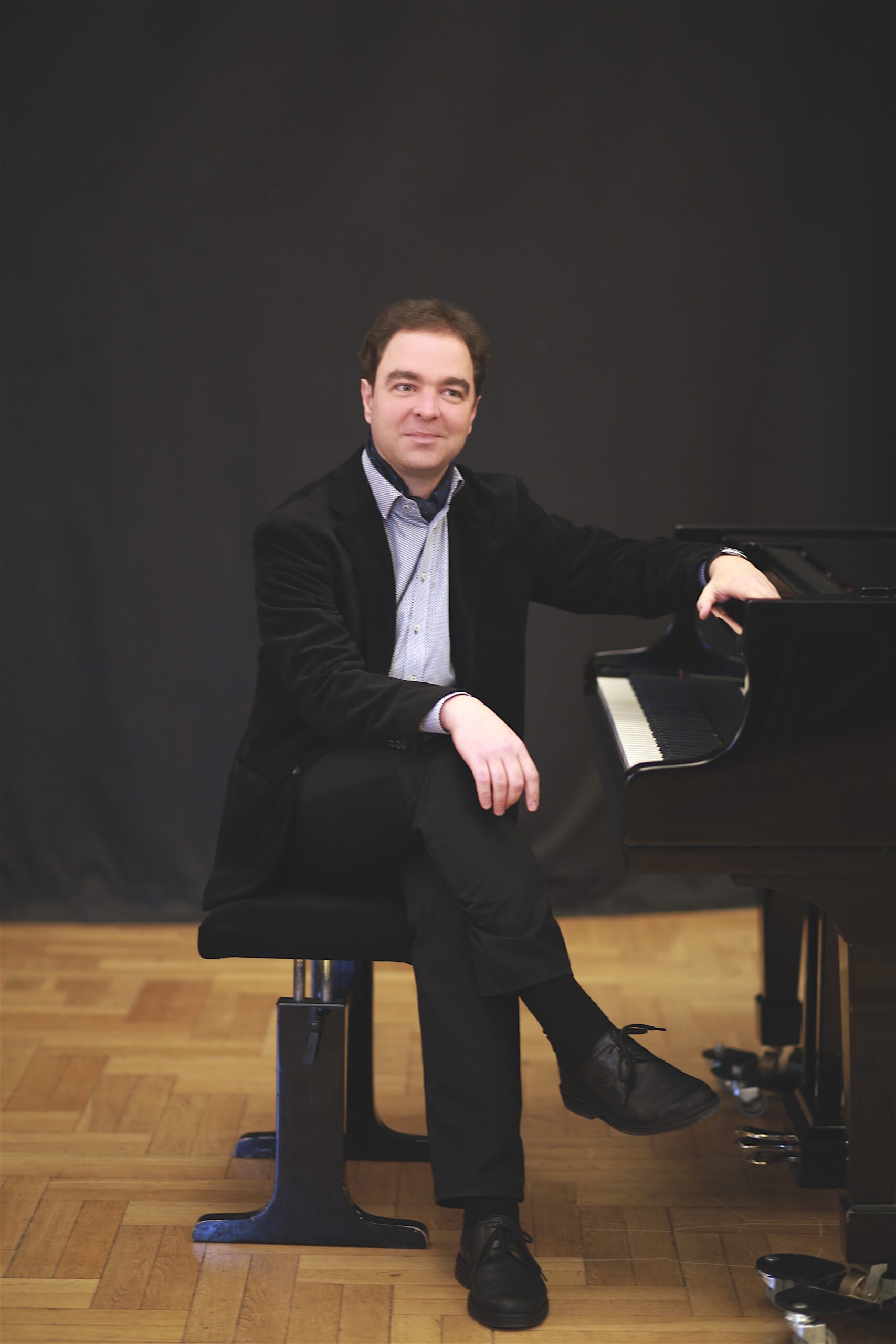
PIANO – Prof. Jacob Leuschner (Hochschule für Musik Detmold)

Teacher:

© Sudi, Detmold

Jacob Leuschner, 
born in Freiburg in 1974, studied in Freiburg and Lübeck. His most important teachers were Helmut Barth, Michel Béroff, Konrad Elser and Leonard Hokanson.

Since 1989, he has performed as a soloist and sought-after chamber musician in many European countries, Japan, South Korea, China and the USA, and has been invited to numerous international festivals. He has been a regular participant in the funding project Bundesauswahl Konzerte Junger Künstler (Federal Selection Concerts Young Artists) held by Deutscher Musikrat.

The awards he has won at major piano competitions testify to his artistic stature: Viotti (Vercelli), Beethoven (Vienna), Schubert (Dortmund), Mozart (Salzburg), Leeds, Rina Sala Gallo (Monza), Deutscher Musikwettbewerb, Deutscher Hochschulwettbewerb – to name just the most important ones.

He is also the recipient of the Possehl Music Prize, the Kai-Uwe von Hassel Prize and the
Wiesbaden Mozart Prize.


Jacob Leuschner taught at the University of Music Lübeck, and was a Visiting Professor at the University of Music Franz Liszt in Weimar. From 2008 to 2014, he held a professorship at the University of Music in Cologne, and then followed a call to join the University of Music in Detmold. He regularly gives masterclasses in many European countries, Japan, China and Korea.

His repertoire ranges from the Virginalists to the present; one focus is the masters of Viennese classical music. He has performed the complete cycles of Mozart’s, Beethoven’s and Schubert’s piano sonatas at several occasions.
He also works as a juror at international piano competitions and as a publisher, and has dealt intensively with historical keyboard instruments. He is the founder and artistic director of the Brahms Piano Competition in
Detmold.

His discography includes not only numerous chamber music pieces, such as the complete works for cello and piano by Reger with Guido Schiefen (Oehms Classics), but also the late Beethoven sonatas and Liszt transcriptions. In addition to two solo CDs, he released a complete recording of Mozart’s sonatas for piano and violin in 2017 with violinist Keiko Urushihara (Nippon Acoustic Records), which was met with enthusiasm by the Japanese trade press and awarded the "Excellence Award" by the Japanese State Office for Culture.

In 2019, his recording of Beethoven’s Diabelli Variations was published by the label „Perfect noise“.

Today, Jacob Leuschner is one of the most distinguished and versatile German pianists of his generation.

Dates: 

Arrival: Thursday, September 10, 2026, until 2 pm
Closing concert: Sunday, September 13, 2026, 5 pm
Departure: Monday, September 14, 2026, after 2 pm

Course Description:

Piano-works from all periods: from Baroque over Classic and Romantic to Modern Music; preparation for exams, concerts and competitions

Repertoire:

Piano solo or for four hands          

Accommodation:

Students are hosted on a shared room basis in a beautiful villa on the bank of the Rhine river.

Meals:

A kitchen is available for cooking; groceries can be bought in a nearby supermarket. Group shopping is advised. A different team can do the cooking daily, which can be organize in situ.

Rooms:

Committed to the spirit of romanticism, all masterclasses offered by the Sankt Goar International Music Festival and Academy unite everything under one roof: living, learning, eating and sleeping. That is why participants will be hosted on a shared room basis.

Audition information and registration:

In order to be accepted, you must meet one of the following criteria:

(a) be recommended by Prof. Leuschner, or
(b) submit an unedited video audition (YouTube link) for review.

In addition, you must complete and submit our application form and pay a €40,- application fee.

Registration Deadline: August 10, 2026

Tuition:

Course fee (incl. accommodation): €490,-

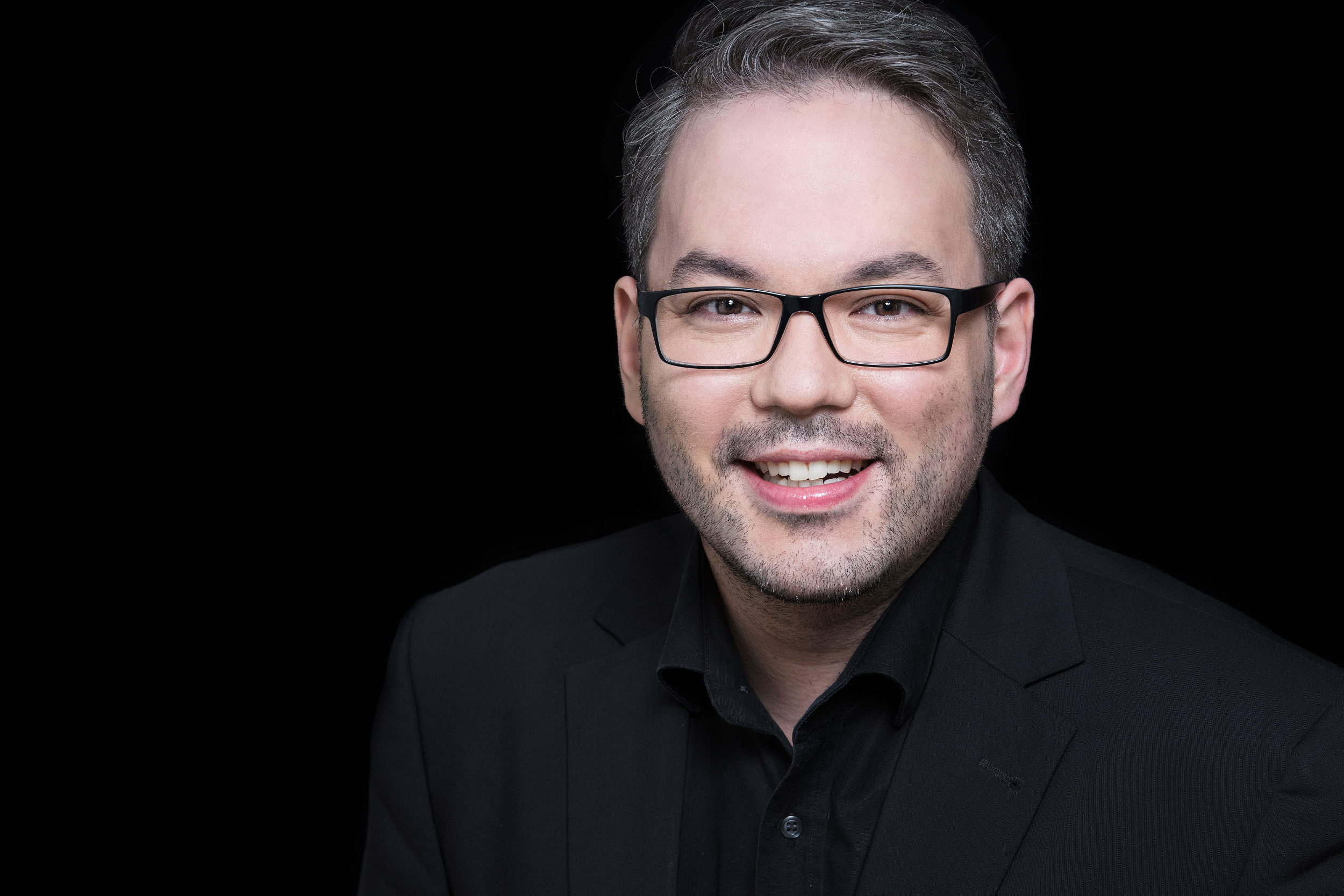
VOICE — Wolfgang Klose (University of Music Rostock)

Teachers: 

© Anne-Marie von Sarosdy

Stylistic versatility, authentic sound, and the synthesis of word and music form the fundamental pillars of singing for the tenor Wolfgang Klose. He received decisive artistic impulses from Thomas Heyer, Mario Hoff, and Konrad Jarnot, as well as in masterclasses with Francisco Araiza, Julie Kaufmann, and Kurt Widmer.

On the opera stage he has appeared in several lyric roles, including Tamino (The Magic Flute), Symon (The Beggar Student), and Pylades (Iphigenia in Tauris). In addition to independent productions, engagements have taken him, among others, to the Handel Festival in Halle, the Deutsche Oper am Rhein, and the stages of the City of Cologne.

His particular passion, however, is concert singing. His broad repertoire ranges from Monteverdi to contemporary modern works, with a focus on the cantatas and oratorios of the Baroque and Classical periods. As a guest at numerous festivals and concert venues in Germany and abroad (Gewandhaus Leipzig, Cologne Philharmonie, Essen Philharmonie, Tonhalle Düsseldorf, Beethovenhalle Bonn, Wrocław Philharmonic, and many others), he performs equally with symphony orchestras and period-instrument ensembles, collaborating with renowned conductors.

In 2013, the Association of German Concert Choirs awarded him first prize at the Podium of Young Vocal Soloists. Radio and CD recordings document his artistic work, including releases with WDR, rbb, SWR, as well as Carus Verlag, Virgin Classics (formerly EMI France), and cpo.

A graduate of the Robert Schumann Hochschule Düsseldorf, he has been teaching successfully in courses since 2008 and at university level since 2010. After teaching assignments at various universities, he has led a voice class at the hmt Rostock since 2015. His students have achieved success in competitions and already appear as soloists on concert and opera stages.

In addition, he serves as a competition juror.

© Susanne Diesner

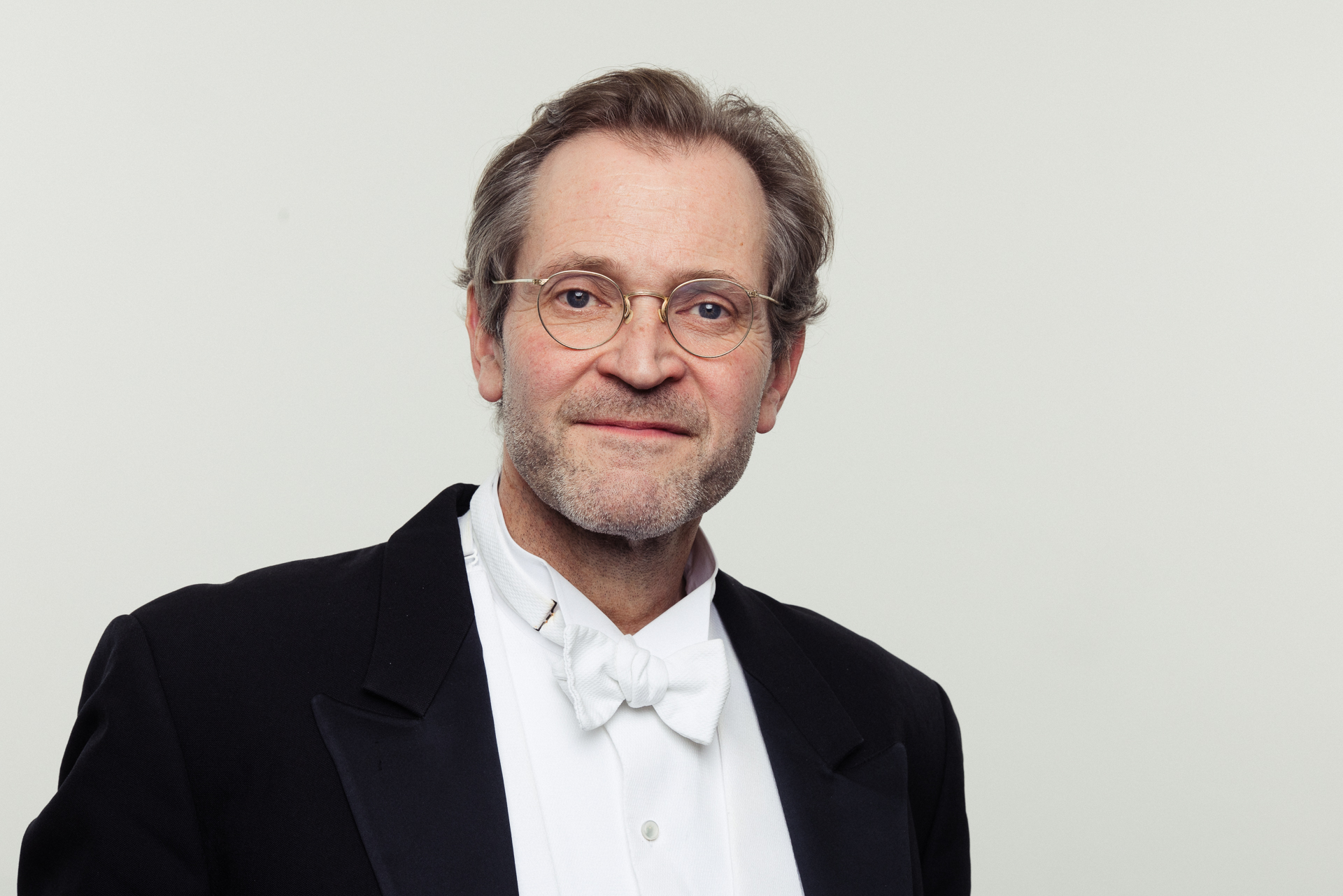
Christian von Gehren completed his studies in conducting and piano with distinction at the music universities in Karlsruhe and Copenhagen. His work as a conductor has taken him to major European orchestras such as the Vienna Symphony Orchestra, the Gewandhaus Orchestra Leipzig, and the Munich Radio Orchestra, as well as to opera houses in Paris, Marseille, Nice, Copenhagen, Wiesbaden, and Leipzig.

He has also conducted at festivals in Bregenz, Birmingham, and Bergen. In 2016 he made his conducting debut in Shanghai with Orff’s Carmina Burana. From 2017 to 2020, Christian von Gehren was chief conductor of the Jönköping Symphony Orchestra in Sweden, with which he performed a wide symphonic repertoire from Mozart and Beethoven to Richard Strauss, Claude Debussy, and Gustav Mahler. In the operatic field, he most recently conducted Bernstein’s On the Town and Rossini’s Il barbiere di Siviglia there.

He also has a strong interest in the oratorio repertoire: most recently he conducted Bach’s Christmas Oratorio in Jönköping and the St John Passion in Essen. Work with young orchestral musicians is equally important to him: from 2009 to 2015 he was Musical Director of the Orff Academy of the Munich Radio Orchestra, an international orchestral academy that accompanied a production each summer at the Carl Orff Festival in Andechs. As chief conductor in Jönköping, he supported collaborations with the music universities in Gothenburg and Malmö in the fields of orchestral work and contemporary music. He is also active as a song accompanist and regularly gives masterclasses in the fields of Lied, opera, and oratorio, for example at the music universities in Oslo and Odense.

As a pianist, he has accompanied masterclasses by Christa Ludwig, Renata Scotto, and Ulf Bästlein.

From 2000 to 2003 he directed France’s largest state opera studio, the Centre National d’Insertion Professionnelle d’Artistes Lyriques. Since 2016, Christian von Gehren has taught orchestral conducting at the Robert Schumann Hochschule Düsseldorf. Since 2022 he has also been affiliated with the HfMDK Frankfurt through teaching in the field of music theatre. In 2025, the Robert Schumann Hochschule appointed him professor.

Dates: 

Arrival: Monday, July 27, 2026, until 12 pm
Closing concert: Friday, July 31st, 2026, 6:30 pm
Departure: Saturday, August 1st, 2026, until 12 pm

Course Description:

The voice is the instrument most closely connected to the human body and therefore capable of transporting emotions unfiltered and most directly to the audience. Etymologically, there is a direct translation to  personare (latin for through sounding); in Hebrew there is even the same word for soul and throat.

For five days we will be working on throat skills which will help to make these connections hearable. Additionally to working on stylistic differences of the epochs, diction and interpretation impulses the fun of making music is of great importance as well!

Our master class is intended for all who are searching for new impulses in singing and interpreting – e.g. as a preparation for attending universities or for a check-up for (midterm) exams – we will work individually in three units each day and actually strengthen the instrument “voice”.

The interpretation of the repertoire will increase in authenticity by working out and improving individual qualities.

The masterclass will be accompanied by Prof. Christian von Gehren.

Repertoire:

Concert and opera arias, as well as art songs from the baroque era to contemporary music

Accommodation:

Students are hosted on a shared room basis in a beautiful villa on the bank of the Rhine river.

Meals:

A kitchen is available for cooking; groceries can be bought in a nearby supermarket. Group shopping is advised. A different team can do the cooking daily, which can be organize in situ.

Rooms:

Committed to the spirit of romanticism, all masterclasses offered by the Sankt Goar International Music Festival and Academy unite everything under one roof: living, learning, eating and sleeping. That is why participants will be hosted on a shared room basis.

For further impression, please visit our venue site.

Audition information and registration:

In order to be accepted, you must meet one of the following criteria:

(a) be recommended by Mr. Klose, or
(b) submit an unedited video audition (YouTube link) for review.

In addition, you must complete and submit our application form and pay a €40,- application fee.

Registration Deadline: June 27, 2026

Tuition:

Course fee (incl. accommodation): €590,-